18 Jul 2026
When Security Protocols Align With Gameplay Patterns in Cross-Device Entertainment Options
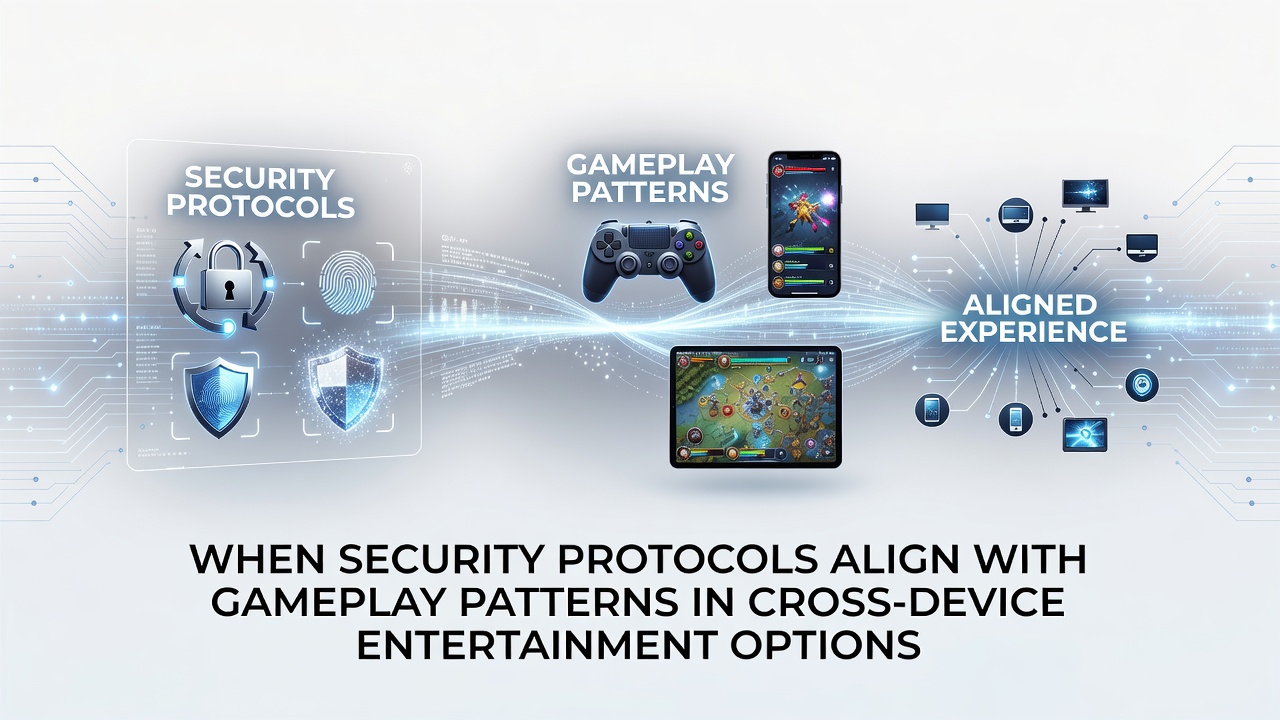
Security protocols in cross-device entertainment have begun to mirror the natural flow of gameplay patterns, creating systems where authentication steps integrate directly into session transitions rather than interrupting them. Data from regulatory filings show that platforms handling multi-device access now employ layered encryption methods that activate based on user movement between phones, tablets, and desktops, with July 2026 reports indicating a 12 percent rise in seamless handoffs across verified accounts.
Core Mechanics of Protocol Alignment
Observers note that gameplay patterns often involve quick switches between devices during live sessions, and security measures have adapted by embedding token-based verification into these transitions. Researchers at institutions tracking digital entertainment trends found that protocols using device fingerprinting combined with behavioral analytics allow continuous play without repeated logins, while still maintaining audit trails required by oversight bodies. This alignment reduces friction points that once forced players to pause, since the system recognizes established patterns like consistent bet sizing or navigation speed across platforms.
Encryption Standards in Mobile-to-Desktop Shifts
Encryption frameworks now tie directly to reel and card mechanics in portable formats, where data packets carrying game states receive protection levels that scale with session duration and device type. Figures released by industry monitoring groups reveal that hybrid sessions spanning secure mobile channels and desktop interfaces saw encryption overhead drop by nearly 8 percent in early 2026 implementations, because the protocols anticipate common movement sequences rather than applying blanket rules. Those monitoring these developments point to cases where biometric prompts appear only during high-value actions, aligning with typical player rhythms instead of every interaction.
Behavioral Pattern Integration Across Regions
Regulatory frameworks in multiple jurisdictions have started requiring that security layers reflect documented gameplay sequences, and Canadian authorities through iGaming Ontario have issued guidelines emphasizing adaptive authentication that matches regional usage data. In parallel, reports from Australian oversight entities highlight similar shifts, where cross-device options incorporate real-time risk scoring drawn from historical play logs. Experts tracking these changes observe that such integration helps maintain compliance without forcing artificial breaks in entertainment flow, since the protocols learn from aggregated patterns like preferred game genres or time-of-day access habits.

One documented example involves platforms that activate additional verification only when gameplay deviates from established norms, such as sudden location changes during a multi-device session. Studies compiled by academic groups examining entertainment technology show this targeted approach preserves session continuity while addressing potential anomalies, and July 2026 datasets from North American operators confirm lower abandonment rates during device switches under these aligned systems.
Technical Frameworks Supporting Cross-Device Continuity
Developers have incorporated API structures that link security checkpoints to specific gameplay milestones, allowing encryption keys to refresh automatically during natural pauses like bonus rounds or table resets. Data compiled by trade associations indicate that these frameworks now handle simultaneous device authorization through shared session tokens, reducing the need for separate logins and aligning protection measures with the rhythm of reel spins or card draws. Observers in the field note that portable reel and card platforms benefit particularly from this setup, since players frequently toggle between devices mid-session without losing progress or accumulated rewards.
Additional safeguards such as end-to-end verification during fund transfers integrate into the same pattern recognition engines, ensuring that reward claims occur within protected channels that match user behavior profiles. Reports from European research networks tracking gaming technology trends document steady adoption of these methods through mid-2026, with emphasis on scalability across varying network conditions common in mobile environments.
Future Trajectories in Protocol Design
Industry analyses project continued refinement of these alignments, where machine learning models refine security triggers based on expanding datasets of cross-device interactions. Regulatory updates scheduled for later in 2026 are expected to formalize requirements for protocols that embed protection within entertainment sequences rather than overlaying them separately. Those reviewing implementation metrics note measurable improvements in session retention when security steps coincide with gameplay logic, particularly in environments supporting both reel-based and card-based activities on secure apps.
Conclusion
Alignment between security protocols and gameplay patterns continues to shape cross-device entertainment by embedding protective measures into existing user flows. Evidence from regulatory and technical reports demonstrates measurable effects on session management and compliance tracking, with developments through July 2026 underscoring ongoing adaptation across global markets. This integration supports sustained access while meeting established standards for data protection in multi-platform settings.