22 Jun 2026
Unpacking how regional policy tweaks steer tactical approaches in app-based dealer sessions through verified transaction flows
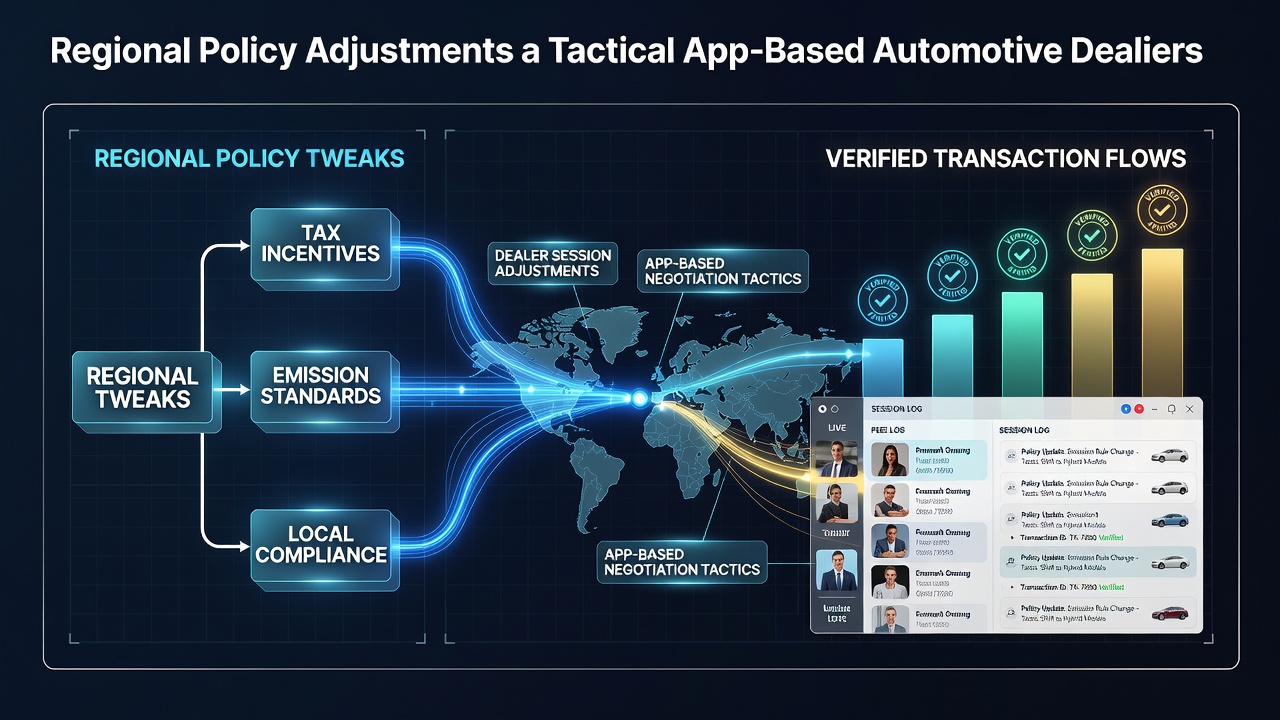
Regional policy adjustments continue to reshape how operators and participants manage app-based dealer sessions, particularly through the lens of verified transaction flows that authenticate deposits and withdrawals in real time, and in June 2026 several jurisdictions rolled out updated compliance requirements that directly influenced session planning and payment sequencing.
Policy Variations Across Jurisdictions
Different regions apply distinct verification thresholds and transaction monitoring rules, which in turn dictate the timing and size of bets placed during live dealer interactions on mobile platforms, while European regulators emphasize continuous identity checks integrated with banking partners, North American state frameworks often focus on daily deposit caps tied to player history, and observers note that these differences create distinct operational environments for app developers seeking to maintain compliance across borders.
Take one researcher who tracked policy updates in multiple markets and found that verification layers added after certain legislative changes required apps to pause sessions until transaction confirmations cleared, which altered how users structured their card game entries and reel-based sequences within the same application window.
Transaction Verification Mechanics
Verified transaction flows rely on automated systems that cross-reference user details against regulatory databases before releasing funds for play, and this process creates predictable windows during which tactical decisions must occur, since delays in approval can shift participants from high-stakes dealer rounds to lower-risk practice modes until clearance arrives.
Data from industry reports shows that platforms incorporating instant verification APIs reduced average session interruptions by measurable margins in 2025, yet the same systems introduced new constraints when regional rules capped the number of verified transfers per day, forcing adjustments in how players allocated bankrolls across multiple dealer tables.
Strategic Adjustments in Live Sessions
Participants adapt their approaches based on the verification speed and limits imposed by local policies, which means app-based dealer sessions often see clusters of smaller, verified wagers early in a session followed by larger commitments once cumulative transaction records update, and this pattern emerges consistently in markets where regulators tightened anti-money laundering thresholds during the first half of 2026.

Studies conducted by academic groups tracking mobile gambling behavior reveal that users in jurisdictions with stricter flow verification tend to favor hybrid strategies that combine quick reel spins with intermittent card table entries, thereby maximizing the utility of each cleared transaction before additional approvals are needed, while those in more permissive areas demonstrate longer continuous dealer sessions supported by fewer but larger verified movements.
Regional Examples and Data Trends
Australian regulatory updates implemented in early 2026 required enhanced transaction logging that synced directly with app interfaces, resulting in documented shifts toward pre-session planning where users pre-verified multiple small amounts to maintain flexibility during extended dealer interactions, and similar patterns appeared in select Canadian provinces after their provincial gaming authorities adjusted digital wallet integration rules.
According to findings published by the Responsible Gambling Council, these policy tweaks correlated with changes in average session duration and game-type distribution across verified mobile channels, highlighting how verification requirements steer both individual tactics and broader platform feature development.
European frameworks, particularly those aligned with cross-border payment directives, introduced real-time reporting obligations that further refined how apps display remaining verification headroom to users, enabling more precise tactical decisions around when to enter or exit dealer tables based on confirmed balance availability.
Platform Responses to Regulatory Signals
App developers respond to these regional signals by embedding dynamic verification status indicators within live dealer interfaces, which display cleared transaction totals and upcoming approval windows so that participants can adjust their pacing without leaving the session, and this integration has become standard in markets where policy changes emphasized transparency in financial flows during 2026.
Industry analyses indicate that platforms adopting these features experienced steadier user retention rates compared with those relying on static verification processes, because players could better anticipate and plan around the constraints created by local rules.
Conclusion
Regional policy tweaks continue to influence tactical approaches in app-based dealer sessions by shaping the structure and timing of verified transaction flows, with evidence from multiple jurisdictions demonstrating measurable effects on session planning, game selection, and payment sequencing as of June 2026, and ongoing regulatory evolution suggests these connections will remain central to how mobile platforms operate across different markets.