11 Jul 2026
Tracing Transaction Routes to Multiplier Access in Portable Reel and Card Sessions
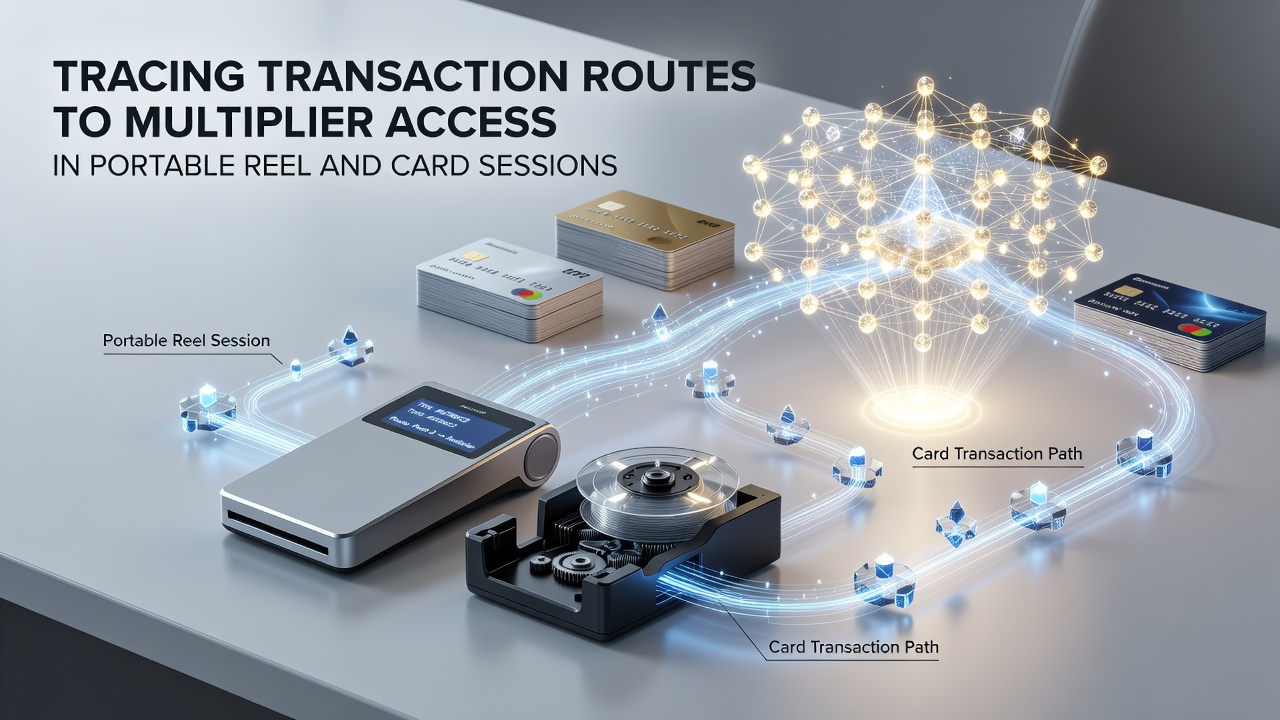
Portable reel and card sessions operate through layered digital pathways where user deposits move across payment processors, verification nodes, and game servers before multipliers become available, and observers note that these routes determine whether bonus features activate during live play on smartphones and tablets. Research from industry platforms indicates that each transaction carries metadata tags that systems scan in real time to confirm eligibility for multiplier tiers, while data collected in July 2026 showed consistent patterns across both slot-style reel titles and table-based card formats.
Mapping Core Transaction Pathways
Transaction routes begin at the deposit stage when funds enter through digital wallets or bank links and then pass through encryption checkpoints before reaching the game engine, yet experts tracking mobile sessions report that these steps create distinct fingerprints that platforms use to grant or restrict multiplier access. Analysts from regulatory bodies in multiple regions have documented how initial authorization codes travel alongside each payment record and link directly to session logs that record reel spins or card draws. This process ensures that only verified routes unlock higher multiplier levels in games where progressive features depend on accumulated wagers.
Systems employed by app developers separate routes into primary and secondary channels, with primary paths handling standard deposits and secondary paths managing promotional credits, while figures from the American Gaming Association reveal that July 2026 saw increased scrutiny on these separations as operators refined detection algorithms. Those who study session data observe that mismatches between route tags and game type often prevent multiplier activation until the discrepancy resolves through additional verification.
Role of Encryption and Verification Layers
Encryption protocols wrap transaction data as it moves between the user's device and backend servers, and studies on mobile gaming infrastructure show that these layers embed unique identifiers that later determine multiplier eligibility during reel or card play. Verification nodes cross-check these identifiers against user history and jurisdictional rules before releasing access, which means a single failed check can reroute the entire session away from bonus features. Researchers at institutions examining digital payment flows note that this method reduces unauthorized claims while maintaining session continuity across different game categories.
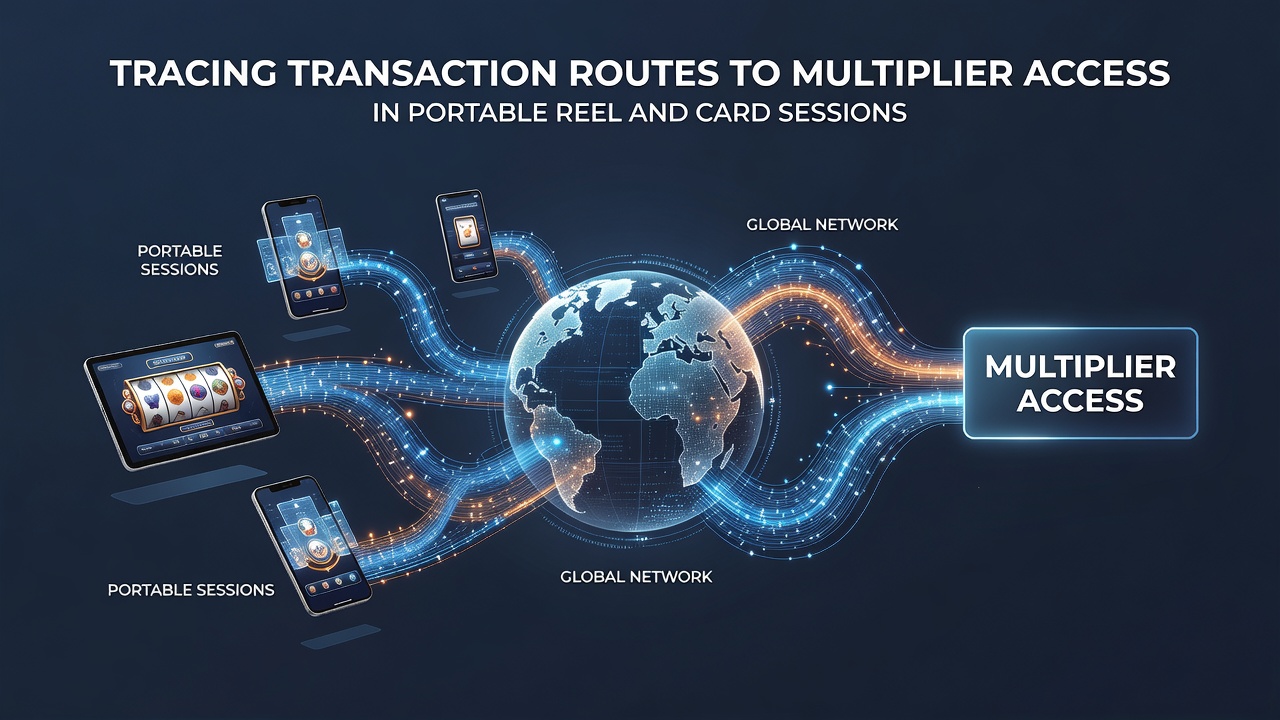
Portable platforms integrate these checks at multiple points rather than at a single gateway, allowing operators to trace partial routes when network interruptions occur, and data collected during summer 2026 operations indicated that such distributed tracing improved recovery rates for interrupted multiplier sequences. The approach also supports compliance requirements that vary by region, where some authorities require full route logs for every session that activates bonus multipliers.
Distinctions Between Reel and Card Session Routes
Reel sessions typically route transactions through high-volume batch processors optimized for rapid spin sequences, whereas card sessions direct payments along slower verification lines that accommodate decision-based gameplay, and platform logs demonstrate how these differences affect multiplier timing. Observers tracking July 2026 activity found that reel-based multipliers often activate within seconds of deposit confirmation, while card game multipliers require an additional audit step tied to table limits. Developers adjust route parameters accordingly so that both formats maintain consistent security standards without sacrificing speed in either environment.
Hybrid apps that host both reel and card titles maintain separate routing tables for each category, yet they share common encryption backbones, which allows cross-session data sharing when users switch between game types. Reports from gaming technology firms indicate that this shared infrastructure helped reduce processing delays during peak hours recorded in mid-2026.
Practical Tracing Methods Used by Operators
Operators deploy automated tracing tools that follow transaction identifiers from deposit origin through game server activation, and these tools flag any deviation that could block multiplier access. Academic papers on digital transaction security describe how graph-based analysis maps the full journey of each payment record, revealing bottlenecks that delay bonus features in portable environments. Such methods rely on timestamp synchronization and metadata matching rather than manual review, which keeps session flow intact for legitimate users.
Regional authorities in North America and parts of Asia have begun requiring operators to retain route logs for extended periods, and compliance data from 2026 shows that these records help resolve disputes over denied multiplier claims. The logs also support internal audits that refine future routing logic for both reel and card platforms.
Conclusion
Tracing transaction routes remains central to how portable reel and card sessions grant multiplier access, with encryption checkpoints, verification nodes, and category-specific routing tables forming the backbone of current systems. Data gathered through July 2026 demonstrates ongoing refinement of these pathways across operators and jurisdictions, while continued analysis by research groups and industry associations supports consistent security practices that balance speed with regulatory compliance. These established processes continue to shape how mobile gaming platforms deliver verified bonus features to users worldwide.