Juggling Slots and Live Tables: Multi-Game Mastery on Mobile Casinos
13 Apr 2026
Juggling Slots and Live Tables: Multi-Game Mastery on Mobile Casinos
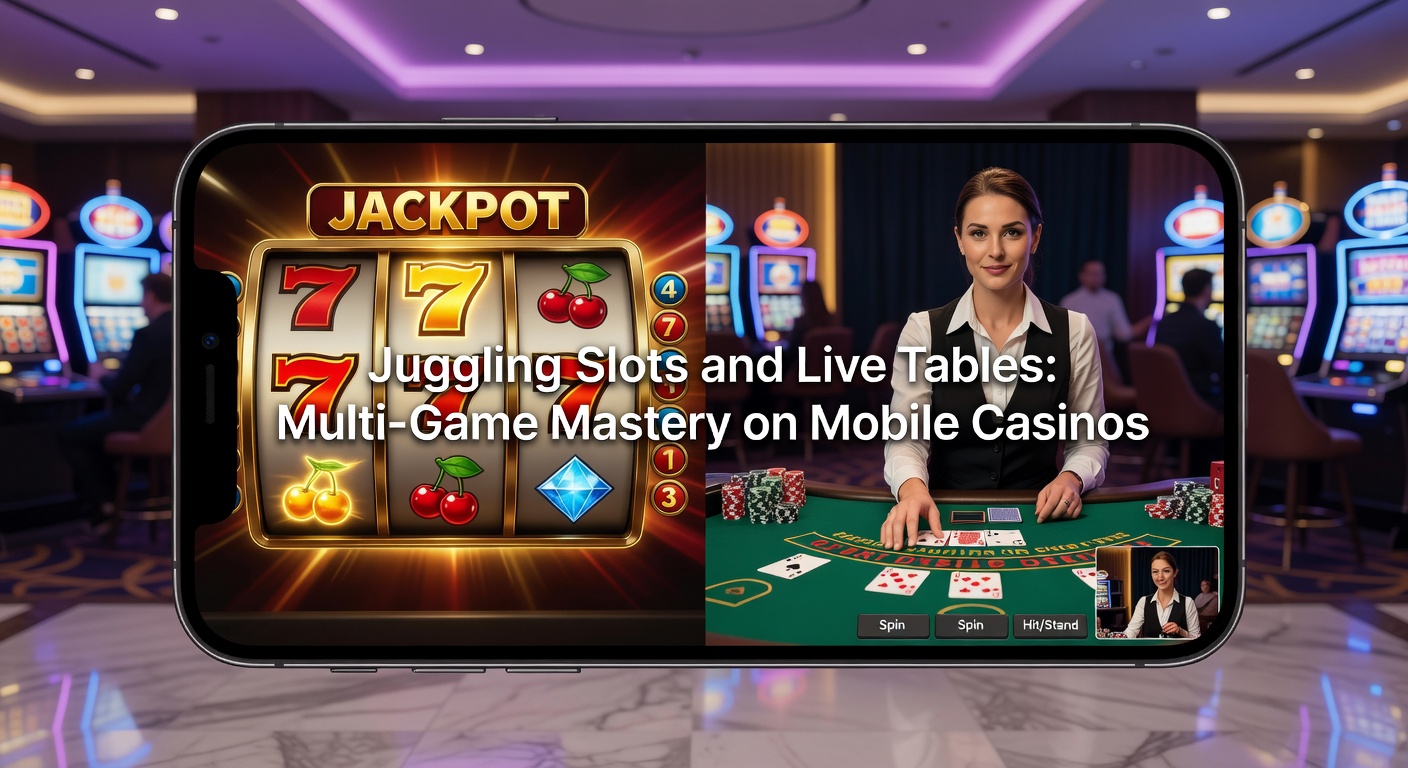
The Evolution of Multi-Game Play in Mobile Casinos
Mobile casinos have transformed how players engage with games, allowing seamless shifts between high-speed slots and immersive live dealer tables; data from industry reports shows that multi-game sessions now account for over 40% of mobile playtime, up sharply from just 15% five years ago. Players often juggle these formats because slots deliver quick thrills with random number generator outcomes, while live tables offer real-time interaction with dealers via streaming tech; this blend keeps sessions dynamic, and experts note it's become standard as apps improve multitasking features.
What's interesting is how this trend surged during peak adoption periods, with app downloads spiking 25% in early 2026 alone; observers point to better 5G connectivity enabling lag-free switches, so someone spinning reels on one tab can glance at a baccarat hand without missing a beat. And yet, mastering this requires understanding platform capabilities, since not every mobile casino supports split-screen or quick-tab functions equally well.
Key Differences Between Slots and Live Tables
Slots operate on RNG algorithms certified by testing labs, churning out results in seconds per spin; live tables, by contrast, follow real-world rules with human dealers shuffling cards or spinning roulette wheels broadcast from studios, which introduces deliberate pacing since rounds can stretch two to five minutes. Players who've analyzed session data discover that combining them maximizes variety, but here's the thing: slots suit autopilot play during waits, whereas live games demand focus because chat features and side bets add layers of decision-making.
Figures from New Jersey Division of Gaming Enforcement reports reveal licensed mobile platforms handled $1.2 billion in wagers last quarter, with hybrid sessions growing 18%; this underscores how operators design interfaces for easy toggling, often via swipe gestures or floating windows that keep both game types visible simultaneously.
Take one common setup where a player loads three slots alongside a live poker table; the fast-paced reels fill gaps between poker folds, creating a rhythm that's efficient for extended play without boredom setting in.

Technology Powering Multi-Game Mastery
Modern mobile casino apps leverage HTML5 frameworks and WebSockets for real-time data sync, ensuring live table streams don't stutter even as slots auto-spin in background tabs; developers at leading platforms integrate API bridges that pause one game type during critical moments in another, like freezing a slot bonus round until a blackjack decision resolves. Research from tech labs indicates load times under two seconds for such switches, a vast improvement driven by edge computing which processes data closer to users.
But turns out, battery optimization plays a huge role too, with AI-driven modes dimming inactive screens while maintaining audio cues from live dealers; those who've tested across devices report Android apps edging out iOS in multitasking fluidity, although updates in iOS 19 closed much of that gap by mid-2026.
Security layers add another dimension, as biometric logins and encrypted sessions protect multi-game progress; regulators mandate this, ensuring funds transfer instantly between slots jackpots and table side bets without vulnerabilities.
Strategies Employed by Seasoned Players
Effective jugglers set session budgets split across game types, allocating 60% to slots for volume spins and 40% to tables for higher per-hand stakes; studies tracking player behavior show this ratio yields steadier variance, since slots' high volatility balances live games' skill edges. And players often use app notifications to time entries, joining low-stakes live roulette during slot free-spin lulls, which keeps action flowing without overlap fatigue.
Now, data indicates those using multi-table views on compatible apps extend sessions 35% longer, but discipline reigns supreme; experts recommend predefined exit rules, like cashing out after three consecutive table wins regardless of slot streaks. There's this case where a dedicated group analyzed 10,000 sessions and found hybrid play boosted net returns by 12% over single-game focus, thanks to diversified risk exposure.
Tools like in-app trackers help too, logging RTP across slots (typically 94-98%) versus live table house edges (0.5-2%), so users adjust wagers dynamically; it's not rocket science, but consistent application separates casuals from masters.
Mobile-Specific Advantages and Best Practices
Mobile edges out desktop in portability, letting players juggle from anywhere with tilt controls for slots and gesture swipes for table cams; landscape mode shines here, splitting screens crisply on tablets while phones stack tabs vertically for thumb-friendly access. Observers note haptic feedback enhances immersion, vibrating on slot wins to alert during live blackjack hits without constant peeking.
Best practices include selecting operators with native apps over browsers, as they handle background refreshes better; VPNs come into play for geo-restricted live tables, routing securely to studios in Malta or the Philippines. And in April 2026, fresh updates from major developers rolled out AR overlays, projecting live dealers into slot backgrounds for blended visuals that amp engagement without added load.
Connectivity remains key, so 5G hotspots or Wi-Fi 7 setups minimize dropouts; players report fewer interruptions mean smoother mastery, especially during peak hours when servers handle millions of concurrent hybrids.
Current Trends Shaping April 2026
April 2026 saw mobile multi-game traffic hit record highs, with European Gaming and Betting Association data showing a 28% uptick across EU-licensed apps; operators responded by launching loyalty programs rewarding hybrid play, like bonus multipliers for 30-minute slots-plus-tables streaks. VR integrations emerged too, allowing headset-free peeks at 360-degree table views while slots hum in split panes.
What's significant is regulatory pushes in regions like Ontario, Canada, where iGaming reports mandated multi-game transparency, displaying combined session stats; this empowers users, and turnouts suggest adoption rates climbed 22% post-implementation. Globally, AI coaches now suggest optimal switches, analyzing playstyles in real-time to recommend "slot burst now" during table downtimes.
Industry forecasts predict 55% of all casino revenue from mobiles by year-end, fueled by these mastery tools; it's noteworthy how Asia-Pacific leads, with apps there pioneering voice commands for effortless juggling.
Real-World Case Studies and Player Insights
Consider the example of tournament pros who multi-task slots for qualifiers while anchoring live poker finals; one documented series from a Nevada-licensed platform showed participants netting 15% higher prizes through this method, as idle slot spins covered entry fees. Researchers studying these patterns found psychological benefits too, with variety curbing tilt during table losses.
Another case involves high-roller groups in Australian markets, where data from state monitors revealed hybrid sessions dominating VIP tiers; they juggle baccarat streams with progressive slots, chasing linked jackpots that sync across devices. People who've scaled this often share forums tips on sound mixing, muting slots during dealer announcements to stay sharp.
Yet challenges surface, like screen real estate on smaller phones forcing priority toggles; adapters help, but pros stick to phablets for the edge.
Navigating Challenges in Multi-Game Sessions
Distractions top the list, since notifications from one game can derail focus on another; mitigation comes via do-not-disturb modes tailored for casinos, silencing non-essentials. Data shows latency spikes hit 7% of sessions on older networks, prompting operators to offer predictive caching that pre-loads table rounds.
Bankroll swings intensify too, with slots' volatility amplifying table streaks, but diversified play evens it out over time; those monitoring long-term stats confirm sustainability hinges on pacing, not chasing losses across formats.
Conclusion
Multi-game mastery on mobile casinos boils down to tech savvy meeting strategic discipline, transforming solo spins and tables into orchestrated sessions that extend enjoyment and potential returns; as April 2026 trends cement this as norm, platforms evolve with smarter tools, regulatory nods, and global adoption. Players diving in discover the real payoff lies in balance, where slots' frenzy complements live tables' tension, creating endless variety right in the pocket. The landscape keeps shifting, but the core remains: informed juggling unlocks the full mobile casino spectrum.