20 Jun 2026
Examining Policy Shifts Across Jurisdictions and Their Influence on Incentive Structures for Reel-Based and Card-Based Activities in App-Based Formats
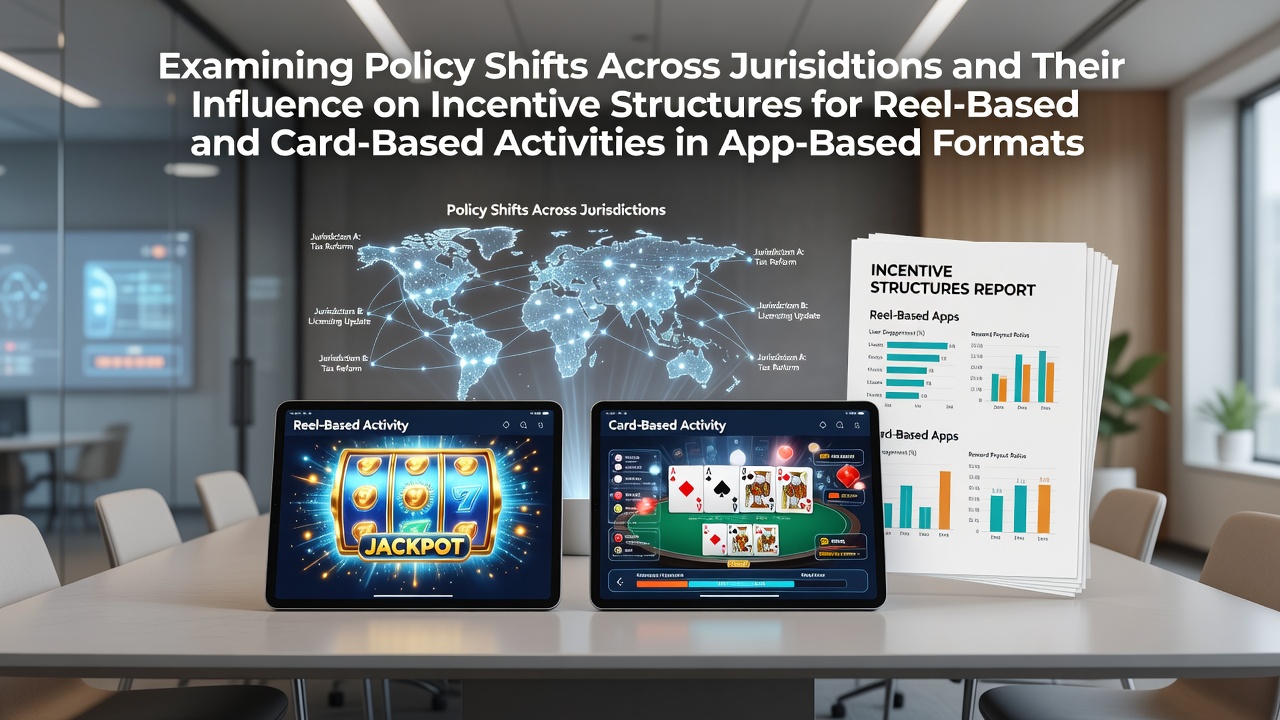 Policy changes in multiple regions continue to reshape how operators design rewards for reel-based slots and card-based table games delivered through mobile applications. Jurisdictions adjust tax rates, licensing conditions, and consumer protection rules at different times, and these adjustments directly alter bonus percentages, wagering requirements, and eligibility criteria that platforms can offer players. In the United States several states have revised their frameworks during the first half of 2026. Michigan updated its sports wagering and internet gaming rules effective May 2026, which introduced new caps on promotional value tied to deposit matches. Operators responded by shifting emphasis toward free spin packages for reel games while tightening eligibility windows for live dealer card sessions. New Jersey's Division of Gaming Enforcement released updated guidelines in April that require clearer separation between bonus funds allocated to slots versus those usable on blackjack or roulette tables. European markets show parallel developments. Malta's gaming authority implemented revised remote gaming directives in early 2026 that mandate separate reporting for reel and card activity incentives. Platforms serving EU users adjusted loyalty point accrual rates accordingly, often favoring higher multipliers on slot spins while applying stricter loss caps to table game rewards. Data from the European Gaming and Betting Association indicates that these reporting changes prompted many operators to restructure their welcome packages by June 2026. Asian jurisdictions add another layer of variation. The Philippines' PAGCOR continued its gradual rollout of updated licensing conditions through spring 2026, requiring operators to disclose incentive structures separately for mechanical reel simulations and electronic card formats. Australian states, particularly New South Wales, enforced new harm minimization measures that limit the frequency of reload bonuses on card-based mobile titles while leaving slot promotions comparatively unaffected.
Regional Differences in Reel Versus Card Incentives
Reel-based activities often receive more flexible promotional treatment because regulators view them as lower-skill formats with higher house edges. Card-based games, by contrast, face tighter scrutiny in several markets because skill elements can influence outcomes. This distinction leads operators to create tiered bonus systems where free spins on reels carry lower playthrough multiples than deposit matches usable on tables.
One study released by the University of Nevada's International Gaming Institute in March 2026 examined twenty major mobile platforms and found that average free spin values increased by 12 percent in jurisdictions with recent tax hikes on table game revenue. At the same time, card game cashback rates declined in those same markets to offset the higher tax burden. Observers note that these adjustments maintain overall player acquisition costs while complying with new fiscal requirements.Technical Implementation in App Environments
Mobile applications must now incorporate geo-location checks and real-time regulatory filters that activate or deactivate specific incentive types based on user location. Developers integrated modular bonus engines that can swap reward parameters without full app updates. This technical flexibility allows operators to respond quickly when a jurisdiction modifies its rules, such as the changes scheduled for enforcement in several Canadian provinces during June 2026.
 Operators track these shifts through centralized compliance dashboards that flag when reel or card incentives exceed permitted thresholds. The dashboards pull data from multiple regulatory feeds, ensuring that promotional calendars remain synchronized across different legal environments.
Player Behavior and Platform Adaptations
Research indicates that players migrate between reel and card offerings when incentive structures change. In markets where table game bonuses faced new restrictions, engagement with live dealer card formats dropped while reel activity rose. Platforms countered this movement by introducing hybrid rewards that grant partial credit toward both categories, although regulators in some regions have begun questioning whether such hybrids comply with separate reporting mandates.
By June 2026 several major operators had published updated terms that explicitly list jurisdiction-specific incentive limits. These disclosures help users understand why certain promotions appear or disappear depending on their location settings within the app.Conclusion
Jurisdictional policy adjustments continue to drive structural changes in how mobile platforms allocate rewards between reel-based and card-based content. Operators rely on adaptable technical systems and detailed compliance tracking to maintain competitive offerings while meeting evolving regulatory demands across regions. The pattern observed through mid-2026 suggests further refinements will occur as additional jurisdictions finalize their own updates later in the year.