Charting Shifts in Reward Activation Tactics Tied to Secure Transfer Options During Mixed Reel and Card Play on Handheld Platforms
Devon Schröder · Aug 22, 2026
Charting Shifts in Reward Activation Tactics Tied to Secure Transfer Options During Mixed Reel and Card Play on Handheld Platforms
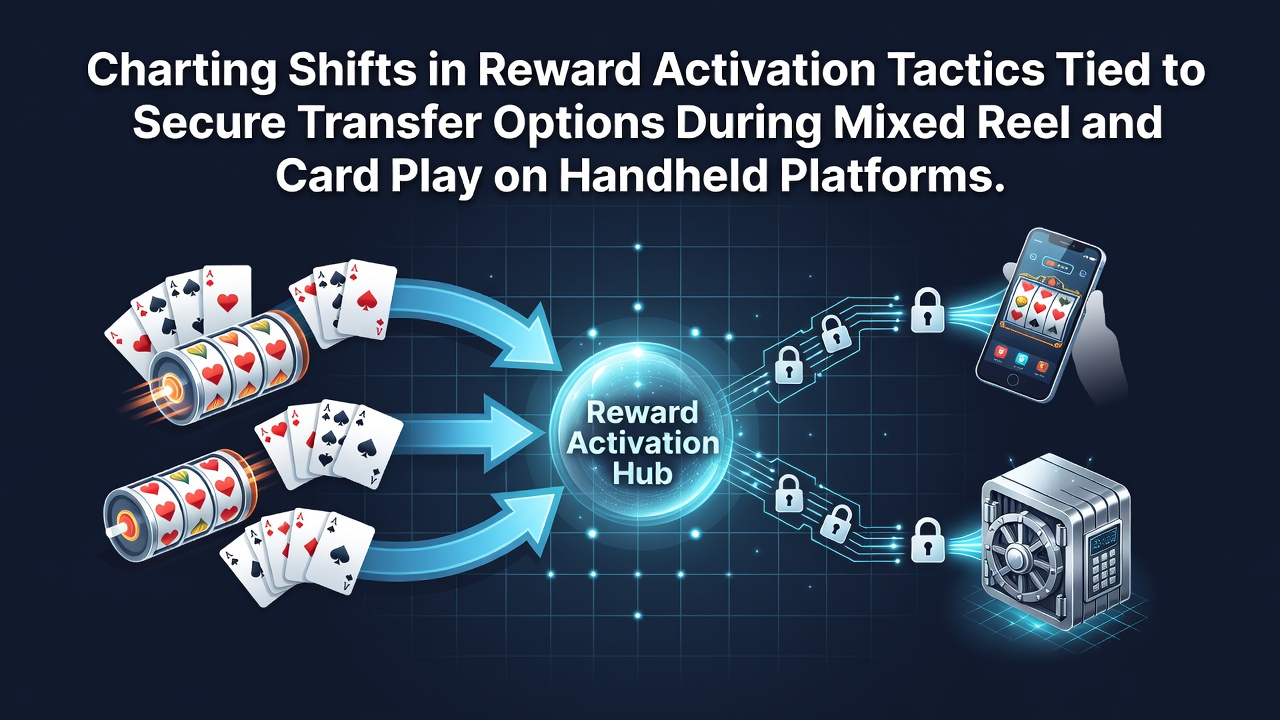
Data from industry tracking services shows that mobile platforms offering combined reel and card sessions have seen payment method selections influence how rewards activate during play sequences in August 2026. Secure transfer options such as instant bank links and tokenized digital wallets now connect directly to bonus eligibility checks, and operators adjust activation rules based on transaction verification speed and source stability. Researchers tracking these patterns note that faster confirmation times often unlock layered incentives faster than traditional card-based deposits, which can delay reward triggers by several minutes or hours.
Payment Method Integration Patterns
Secure transfer systems on handheld devices integrate with game servers to verify funds before reel spins or card rounds begin, and this verification step determines which promotional layers apply to a session. Observers report that e-wallet options tied to biometric authentication reduce processing lags, allowing players to move between slot sequences and live dealer tables without resetting bonus counters. Data indicates that platforms updated their backend protocols in mid-2026 to link transaction metadata with reward engines, creating automatic adjustments when users switch between game types mid-session.
Reel and Card Hybrid Sessions
Mixed play environments require reward systems to track contributions from both spinning reels and card outcomes simultaneously, and secure transfers feed into these trackers at the point of deposit. Figures from platform analytics reveal that users who complete verified transfers early in a session accumulate eligibility for combined reel-card multipliers more readily than those relying on slower methods. One case study from a North American operator documented how token-based transfers triggered progressive reward unlocks across 15-minute intervals during hybrid sessions, whereas legacy bank transfers required separate confirmation steps that interrupted play flow.
August 2026 Data Trends
Reports compiled in August 2026 highlight measurable changes in reward claim rates across regions where handheld platforms expanded secure transfer support. The American Gaming Association published figures showing a 12 percent rise in verified mobile deposits that aligned with increased activation of hybrid bonuses during the same period. These shifts coincide with regulatory updates in several jurisdictions that emphasize transaction transparency, and operators responded by refining how reward engines read payment source codes.
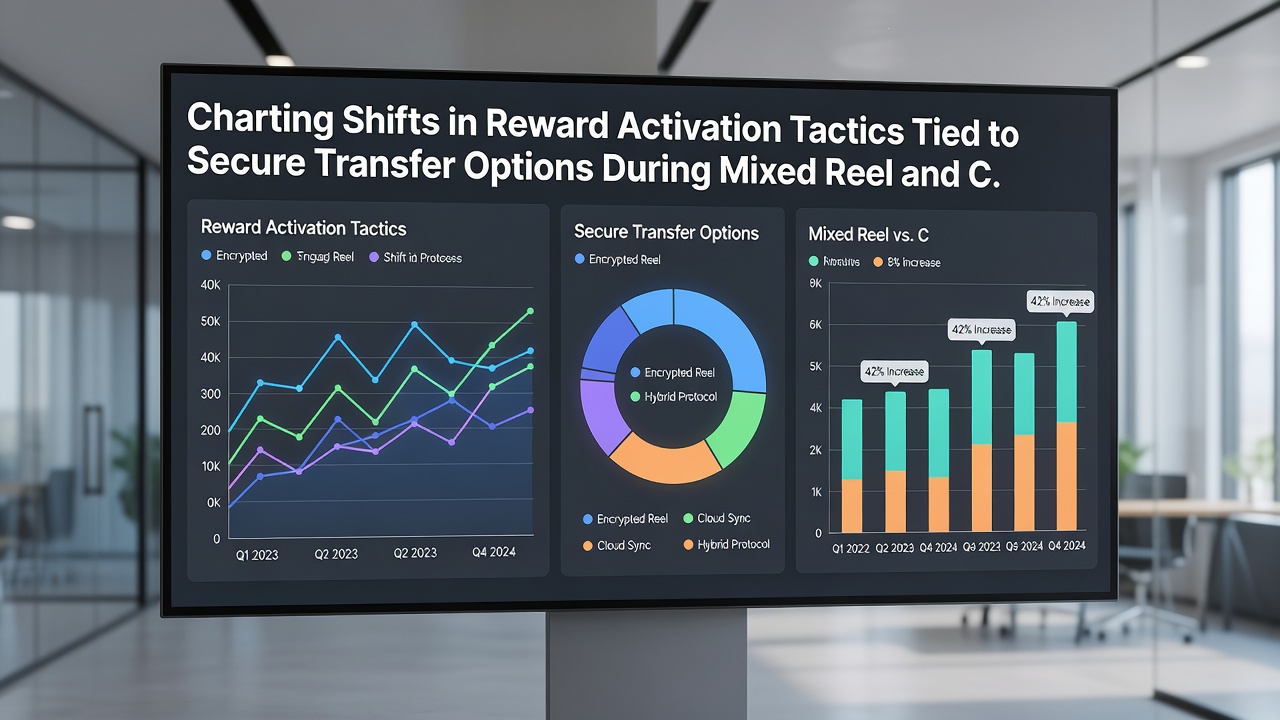
European operators following guidelines from the Malta Gaming Authority adjusted their systems to prioritize transfers that include full encryption certificates, and this change correlated with higher reward redemption volumes in mixed reel-card environments. Australian data from the same month indicated similar patterns, where platforms using real-time verification saw reward activation windows shorten by an average of 40 seconds per transaction type.
Technical Adjustments in Reward Engines
Developers have modified reward engines to parse transfer metadata at the moment funds reach the player account, and this parsing determines whether a deposit qualifies for reel-specific or card-specific incentives. Secure options that carry additional security tokens often bypass secondary review layers, which accelerates the mapping of funds to active promotions. Studies from research groups affiliated with the University of Nevada, Las Vegas documented that platforms employing these mappings experienced fewer interrupted sessions when users transitioned between game categories.
Encryption protocols embedded in transfer flows now supply data points that reward systems use to calculate contribution percentages toward wagering requirements. Observers tracking these implementations note that platforms in Canada, guided by provincial gaming authorities, adopted uniform metadata standards that streamlined cross-game reward tracking on mobile applications. The result appears in aggregated logs showing consistent activation timing regardless of whether the initial deposit funded reel play or card tables first.
Regional Regulatory Influences
Jurisdictions have introduced reporting requirements that tie payment verification records to promotional compliance, and operators adjust activation tactics accordingly. In regions following frameworks from the Canadian Gaming Association, platforms must log transfer origins before releasing hybrid rewards, which has prompted development of unified dashboards that display eligibility across reel and card modes. Similar requirements in parts of Asia have led to standardized token formats that reduce mismatches between deposit type and reward category.
Platform logs from August 2026 demonstrate that sessions incorporating both reel and card segments benefit when initial transfers carry full audit trails, because the reward engine can allocate contributions without additional manual checks. This approach maintains continuity when players alternate between game formats during a single login period.
Conclusion
Current records show that secure transfer options continue to shape how rewards activate across mixed reel and card sessions on handheld platforms, with verification speed and metadata completeness serving as primary factors. Data compiled through late 2026 indicates that operators maintain these connections through ongoing protocol refinements, and regional regulatory bodies continue to monitor alignment between payment methods and promotional structures. Future updates will likely build on the patterns established in August 2026, particularly where encryption standards intersect with reward eligibility calculations.